Masthead header

Rebecca & Rick’s Engagement Photos

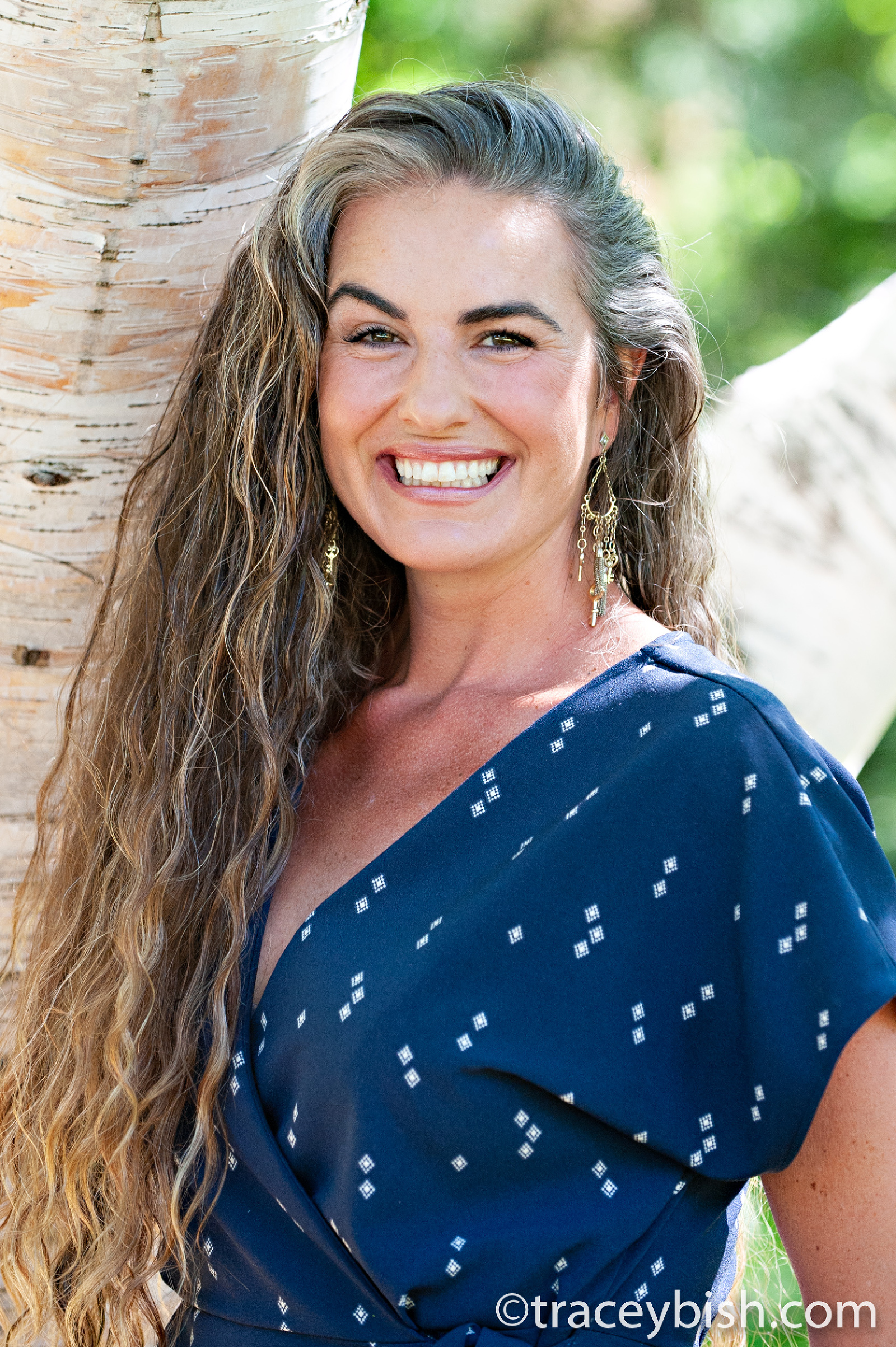
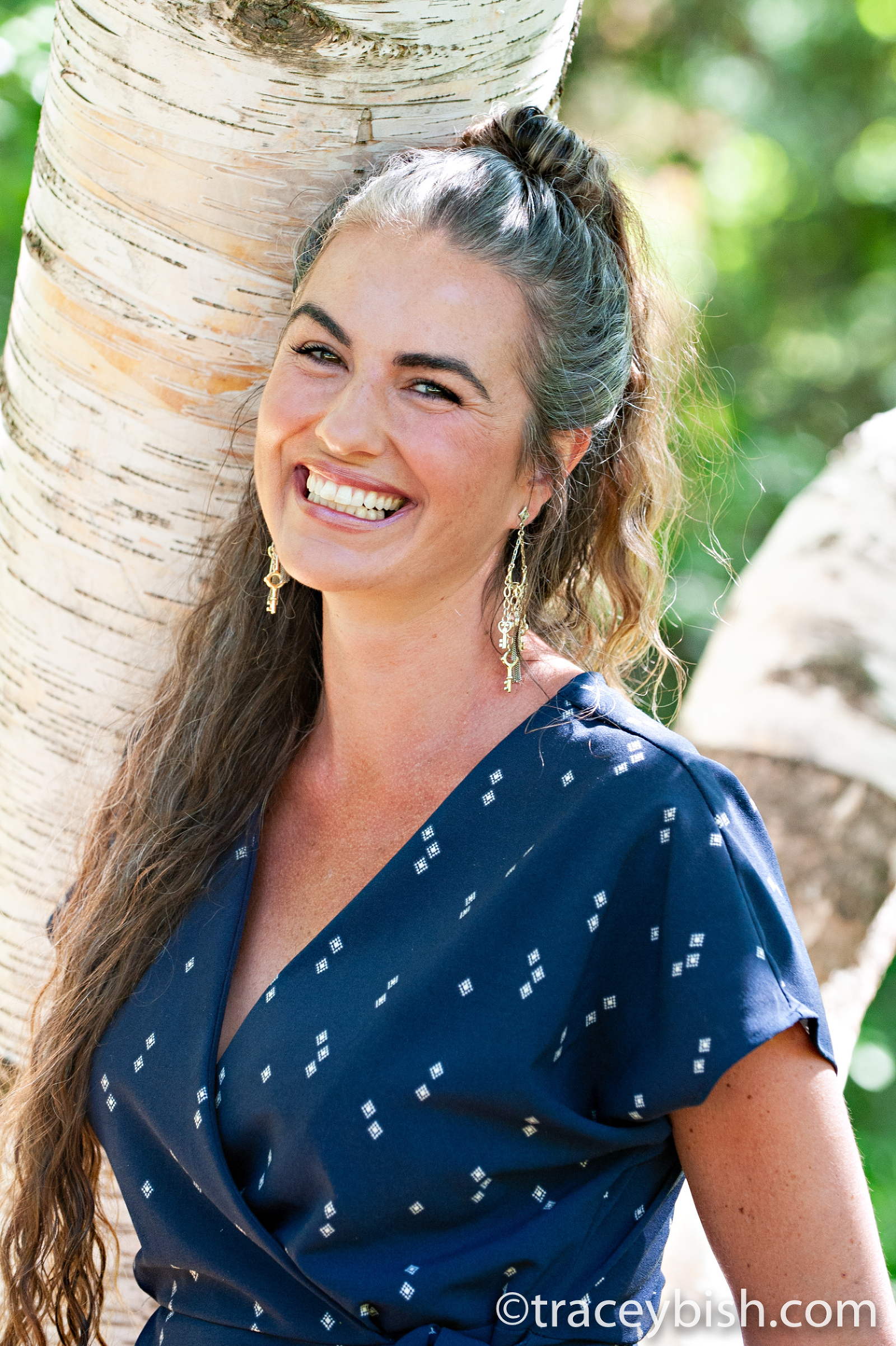
Last week I photographed Rebecca and Rick’s engagement photos at the Idaho Botanical Garden.  It was a beautiful morning and the blooming flowers were amazing!  I had a great time working with Rebecca and Rick and am looking forward to photographing their wedding in October.

Spring is a great time for family photos with all the flowers and trees in bloom.  Call me today to schedule your session at 208-867-3174 or email me at traceybish@gmail.com  I have a openings in the next few weeks but call soon as my schedule is getting full.

Here are a few of my favorites from the morning – Enjoy!


Peru ~ Part 3 The Amazon Region

For the last part of our trip we traveled to Iquitos, Peru and the Amazon region.  Iquitos is a land lock city – you can only get there by boat or plane – it is completely surrounded by jungle.  It was quite an adjustment with temperature, from in the 60s in Cusco to the 90s & very humid in Iquitos.

Our guide took us to the local market before traveling up the Amazon.  It had a little bit of everything the local people eat, grow, raise and catch.

We had to take about a 3 hour boat ride up the Amazon and Tahuayo River to get to our lodge.  The Amazon river is such an immense river that in the low season (which we traveled in) it is roughly 90 feet deep.  The river is very brown probably due to all the sediment and has a lot of debris in it such as trees, logs and garbage.  We saw large barges carrying logs, gasoline and other supplies along with many locals traveling by riverboats.

We stopped at a small village along the way to stretch our legs.   The locals were serving up lunch for the locals traveling on the river – everything looks good to eat.

After a bit more travel up the Amazon we started up the Tahuayo River otherwise known as the Black River to our lodge.  We passed a few villages along the way where many of the kids were playing in the water.  We saw many fisherman in small boats as we traveled upstream.

Our lodge was amazing!  We stayed at the Tahayo Lodge and I highly recommend it.  We had a private guide assigned to us and a very nice room during our stay.  You can choose from a variety of activities to do with your days there.  Notice the high water line on the lodge’s support poles.  We came during the dry season but had thunderstorms every day and saw the river rise daily.

We decided one of the activities we wanted to do was go looking for monkeys.   We got up very early and luckily we saw a family of pygmy marmoset monkeys which are the smallest monkeys in the world.  We continued to walk for another 2 hours and saw nothing else.  I did get bit by a fire ant and it really hurt!  We enjoyed our trek through the jungle.

Later in the afternoon we went to visit a local Shaman, Pachquita for a jungle blessing and an education on the traditional plant medicines.

After visiting Pachquita we went to the small village to meet the locals and purchase some handicrafts.  It was a eye opener in how people live in the jungle.  We went to a local family’s home and purchased some handicrafts from them.  Their house consisted of two areas ~ one large open area and a smaller area in the back which served as the cooking area.  I asked where they sleep since I didn’t see any beds and they sleep on the floor with blankets ~ no beds.  And no bathrooms or running water or a modern stove.  It really gives meaning to being poor.  The people were all very nice and welcoming and appreciative of anything the tourist purchased as that helped feed their family or repair their home.

Today was my birthday and the cook was nice enough to make me a cake.  What a great way to celebrate my birthday!

The next day we went piranha fishing.  I was the master fisherwoman of the day!  I caught 11 of the 21 fish caught and their were 5 of us fishing.  When you fish you use a stick with fishing line tied to it and a piece of meat on the hook.  It is more challenging than you think!  I caught piranha, a dollar fish, a talking catfish and a fish from the bass family.  It took Ben most of the morning to catch a piranha and he was so happy!  After getting back to the lodge they cooked up the fish and we shared our catch with everyone.

After lunch we traveled up the Blanco River to see Dorilla, a wooly monkey.  She was a pet but decided to climb on top of the screened dining room and pee on people and their food.  She then went to live with a local family and knocked over their kerosene lamp and burnt down their house.  Now she lives across the river from the village where tourists stop to see and feed her on their way back from the valley of the poison dart frogs.

Later this night we went on a night walk through the jungle looking for creepy crawlies.  We found some!  It is a bit spooky to walk through the jungle in the dark – I made sure not to brush up against any trees so I didn’t get a hitchhiker of any sort.

While staying at the lodge I came down with a terrible upper respiratory infection.  I rallied most of the days but on the last full day of our stay I was really sick and did nothing but lay around and pray for cooling rain in the hot, humid weather.  I did not have a decongestant with me but I will always pack one wherever we go.  Ben went on the canopy zip line.  He wasn’t feeling too well this morning but went anyway.  The views of the canopy look amazing!

As a farwell to the guests the cooks prepare a cake – which is very good.  We really had a great experience at the lodge and I wish I was feeling better to have done more activities.  We had a great guide, Anselmo who was very knowledgeable of all the flora and local knowledge.

We traveled back on the Amazon and some some river dolphins and some people saw the pink dolphins.  It was a beautiful day to travel down the Amazon river.

I hope everyone enjoyed the pictures!  If you would like to talk about traveling to Peru in the future please feel free to contact me.


Sharon - April 20, 2012 - 3:45 am

Wow looks like you had an amazing holiday. Loved all the photos

Peru ~ Part 2 ‘The Inca Trail’

The Inca Trail portion of our trip started a little rough with Ben getting terrible food poisoning the night before our trip was scheduled to leave.  Luckily or unluckily for us (however you choose to look at it) our trekking company had a hard time finding porters.  We ended up spending most of our first day at the small town where the trail starts waiting for our porters from Cusco and Ben was able to recover some from the night before.  We spent most of the day watching groups start their trek while we waited and waited…..

Another positive was that we watched the locals getting their pack animals ready to move supplies up the trail.  There is no motorized access and using oxen, horses or donkeys are how provisions make it up the trail.

And we are finally ready to go!  I chose to carry my camera around my waist strap on this trip.  I can honestly say that I won’t ever bring my big DSLR on a trip like this.  I think I would rent (or purchase) one of the new mirrorless cameras such as the Nikon V1.

The first day is the easiest day of the trek.  We hiked at a break-neck pace due to our late departure.

Along the way we passed through small homesites that have beverages and snacks to purchase during the day.  It is fun to see all the animals that mill around.  Here is a little donkey that was hanging out.

Along the way there are Inca ruins that you see in the distance and pass through.

Since we started the trek so late in the day we ran into all the pack stock coming back down the trail.  The animals are not tethered together they just run free down the trail back to town with their handler following behind.  It was really neat to see what life is like for those that work on the trail vs traveling with lots of other tourists down the trail during the peak trekking hours.

As the day grew short there were some awesome views.

We didn’t move fast enough and ended up walking in the dark for 30 minutes or so before reaching camp.  The tents were set up and dinner was being prepared while we arrived.

Day 2 – This is the really hard day!  We were up at 5:30am for the big day ahead.  Today we gain a lot of elevation on our trek – from about 9,600ft to the pass at 13,776ft. We stayed in a village camp site called Hatunchaca where we stocked up on snickers bars and gatorade.  Snickers are a life saver when you start getting hungry and need a quick shot of energy – we ate a lot of them on the trail.

Here is a great display of the elevation gain of the Inca Trail.

Up, up, up the mountain we go.

As the air gets thinner you can start to feel a little lightheaded and nauseous.  We bought a bag of coca leaves to chew on & they really work!  The top is in sight!  See the people in the distance.

Along the way there are bathroom stops and ladies selling snacks and drinks.  They pack this stuff on their backs up here – no pack stock.  We stopped to stock up on more snickers and gatorade.

We made it!

Downhill is not my favorite part.  You can see way down on the bottom left is the base camp.  It was a solid 2 hours downhill and we are so grateful for hiking poles, they are a must have on this trail.

We made it to camp in one piece and very hungry.  The skies parted for us when we got there to an amazing view of the Andes.  Tonight we had a 1000 star hotel – we have never seen so many stars before!  It was an amazing view!

Day 3 – The next day we woke for an easier day (at least that is what they say).  Here is a view of the previous days downhill trek from Dead Woman’s Pass, which is in the saddle on the upper left of the picture.

Here we go again – up, up , up…

I have to say something about the porters – these are amazing people!  They carry up to 33 kilos which is about 73 pounds.  It is not uncommon to see them running either up or down the trail in sandals which don’t slip on the slick rock.  They pack propane tanks, all the camp equipment, your packs & stuff if you hire one, and everything else you need for camp.  They do this carrying all the weight on their shoulders and back, we didn’t see any of them using the waist belt on their packs.  There is a porter’s race to Machu Picchu which is about 26 miles from the trailhead and keep in mind it takes us 3-1/2 days to do it.  The fastest time completed is in 3-1/2 hours, our guide ran it once and finished in 5-1/2 hours and he said he couldn’t move for the week after the race!

Some views from the trek.

On top of one of today’s passes were little temples for coca leaf offerings to Pachamama for offerings to the mountains.  You are to leave 3 leaves to represent the three worlds – the under world, the earth and the sky.

Along the way we stopped at a couple of Inca ruins.  One stop was at a site which served as a post office.  The Incas had trail runners that would be stationed about 7k apart and could make a trip from Machu Picchu to Cusco in 5 hours.  They also had relays that went from Cusco to Lima in 21 hours.  Amazing!

As we have been traveling the flora has been changing to a highlands rainforest.

We have finally made it to the third pass and it is all downhill from here.

Now it’s time for the fun part – down, down, down we go.  Someone counted the stairs once – there are 3000 steps down to the campsite.  This is where your hiking poles become essential for your knees.  We stopped at one Inca site called Phuyupatamarka which they think served as a food storage site.

It was nice to finally see the sun after all the rain we trekked through.  Here is the view from our final campsite of the trek.  Pretty nice hu!

We really enjoyed the whole trekking experience and would highly recommend it to everyone.  The food on the trail was some of the best from our trip.

Day 4: The last morning was an early one – we had a 3:30am wake up call.  We started to the checkpoint at 4:30am and waited in line until it opened at 5:30am.  There is a mad dash to the Sun Gate to see Machu Picchu.  We had been told a lot of people break out in tears at the Sun Gate because they made it.  I thought I won’t do that, well I was wrong.  I really wanted to cry when I made it!  There is something special about getting to Machu Picchu this way.  I felt it was an initiation into the spirit of the place.  I wouldn’t want to go any other way!

View from the Sun Gate

Our trekking group photo

Machu Picchu

The Temple of the Sun.  Inside the Temple of the Sun contains two windows – one that corresponds to the first light of summer solstice and one that corresponds to the first light of winter solstice.

This is some of the Inca’s handiwork with stone.  The tighter and closer fitting the cut is, the more sacred the site or entrance is.

You will see a lot of what looks like stairs in the Inca sites.  Their beliefs included three levels – the underworld represented by the serpent , the earth represented by the puma and the above world represented by the condor.  The different levels in the rock carvings represent this.

This is the sun rock and is said to capture the sun’s energy.  If you hold your hands above the rock (and concentrate) you can feel & receive the sun’s energy.  I did it and felt an incredible amout of energy.

After our tour of the site we went down to the town of Aqua Calientes where we are staying the night.  We were both so tired we just wanted to go relax and lay in a real bed!


Day 5: The next day we got up bright and early again – 4:30am this time to make the first bus to Machu Picchu for the site opening at 6:00am.  I was very tired this day and decided not to hike up Wayna Picchu (the mountain behind Machu Picchu in all the pictures).  Even though it was really early this is the best time to go to Machu Picchu.

I walked back to the Inca bridge which was built up against a steep cliff.  The Incas placed a few boards that could be removed if an enemy was trying to raid the site.  It was so peaceful to walk along the trail so early in the morning.  You could really feel the magic of the place!

Here are a few of Ben’s pictures from Wayna Picchu.  It is not a trail for the faint of heart.  Ben said it was really steep and the trail was very narrow.  The reward for your effort is the Temple of the Moon, the spectacular views & the bragging rights to say you climbed it!

After our morning at Machu Picchu we went back to Agua Calienties and caught the trail back to Cusco.  The train is a fun experience.  They have a little entertainment and a fashion show.

Next stop is Iquitos and into the Amazon region.  I hope everyone is enjoying the view!

cheryl binda - March 21, 2012 - 7:19 am

Great blog post! Loved reading it. It brought back memories of when we hiked the inca trail in 1987.

Peru ~ Part I

Last September Ben & I went to Peru for a little over 2 weeks.  I am going to share about our trip over 3 posts – the first will cover Lima, Cusco and Sacred Valley.  The second post will cover our Inca Trail trek and Machu Picchu and the third will cover the Amazon portion of our trip.  I hope you enjoy the view & if you are interested in traveling to Peru I am happy to share more of my experiences with you.

We started our trip in Lima for a day.  It is a huge city that is covered in a cloudy sea fog for most of the year.  We took a half day tour of the city making our first stop at Plaza Mayor, the city’s historical center.  This area is park of the UNESCO World Heritage Sites.

We stopped at Saint Dominic Priory which contains the tombs of 2 saints.  The priory has beautiful hand painted tiles lining the walls of the large courtyard.  The craftsmanship throughout the complex is amazing.

Our next stop in Lima was the Huallamarca ruins in the middle of the city.  This site predates the Incas by a 1000+ years and was used by my many ancient cultures.  It is comprised of adobe mud and the reason for its preservation is that Lima receives essentially no rain.  It is strange to go to an ancient site surrounded by modern structures and life.

Our last stop was Lover’s Park above the Pacific Ocean.  It is dedicated to all the lovers in the world.  Make love and not war!

Our destination was Cusco.  We spent 3 days here before departing on the Inca Trail trek.  Cusco is located at very high altitude ~ somewhere around 10,000 ft so you must take it easy and acclimate to the altitude.  We walked around the first day and visited the Inca Museum.  The next day we took a city tour and a tour of some of the Inca sites located just outside of town.  Below is the view of the main plaza in Cusco.

A little Inca bathroom humor.  FYI If going to Peru make sure to bring a little toilet paper since many bathrooms don’t have any along with no toilet seats.

There are still old parts of the Inca city remaining such as the Inca wall.

Hanging out with Pachacutec.

Peru is full of amazing artists!  I just about went crazy there and had to use some serious restraint from not buying all this beautiful art.  The textiles are amazing!  They are working really hard on preserving the textile craft and now have COOPs where craftspeople can sell their wears for a fair price that gives them a living wage.  The last 2 artist pictures are from the San Blas market in Cusco which is amazing!  It is the best market to make handicraft purchases from ~ just FYI.

We stopped at Qorikancha which is a Catholic Church located among the remains of a Inca temple.  The church removed some of the Inca site but left some walls which have been able to withstand earthquakes unlike the modern church.  The Inca walls were built as trapezoids and some of the stones had 13 angles on the outer side.  An entrance with many angles and cuts is representative of a very important place.

The Incas were masters of stone cutting and placement.  This is all done without mortar it is interlocking rock cut to precision.  Modern technology cannot replicate this.

This is one of the smallest stone cuts and placements – why you ask?  Because they can.

We went to a Inca ruin called Saqsayhuaman (otherwise pronounced  as sexy-woman).  The site is comprised of very large rocks formed in a zigzag shape representing the thunder and lighting Gods.  The stones were cut and placed in a zig-zag shape for a practical reason too ~ earthquakes.  This placement displaced the pressures on the stones and allowed them to move without falling down.

Look at the size of the rocks compared to the people.  It is unknown how the Inca people moved these stones to this location.  The largest stone weighs about 120 tons and was brought from 20 kilometers away.  They figure it took 12 to 15 people to move a ton and they think roughly 20,000 people worked on this site for 77 years.  It is simply amazing!

On the way to the Sacred Valley we stopped Awana Kancha which is a living museum to show visitors how the textiles are made from the wool to final product.  They had Alpacas, Llamas and Vicunas in a petting zoo type environment.

Here is a picture of the sheared wool of Alpacas and Llamas.

This man explained how to spin wool from hand and also about the native plants used to dye the wool.  These ground up plants make the most beautiful colors.

They explained that many of the weavers learn family patterns for the textiles when they are small children and usually have up to 10 patterns that they can readily do.

Next stop is the Sacred Valley.

We stopped at the Pisac Market which is the largest market in the area.  It is both a food market and a handicraft market.  You can find anything there and spend a lot of time and money!  Silver is very prevalent in Peru just make sure you buy from a reputable dealer to make sure you are getting a high quality product.  Below are pictures from the market and one of me & Ben with the town’s mayors.

Potatoes – did you know that Peru has 3000 different varieties.  So many more than our 3-4 in the supermarket.  I think we are really missing out on diversity.

Corn – did you know that Peru has over 300 types of corn some edible some not.  Again we only see a couple varieties in the stores – we are missing out with our monoculture.

Natural plant dyes, even though the dye looks one color it usually produces a different color.

Guinea pigs are a holiday or special occasion dinner in Peru.  At the market you could pick your guinea pig for lunch.  We did try one for dinner at a different restaurant and it wasn’t too bad.

In the Sacred Valley Ollantaytambo is one of the most sacred Inca sites.  It is one of the best preserved Inca sites since the Spanish didn’t come upon it.  The terraces were used to grow food with each level providing a different microclimate.  Each terrace is roughly 3-4 meters high and 6-8 meters wide, and were engineered to drain water properly.

A view looking up the valley from the top of Ollantaytammo.

On the hillsides across from the main site there are buildings that were used to store food.  They were built with the microclimates in mind for optimal food storage.

On our way back to Cusco we stopped at a chicharia which is a place that serves chicha otherwise known as corn beer.  If you see a red flag hanging outside on a pole you know they have chicha ready to serve.  Chicha is made from a certain type of sprouted corn that is fermented.  We tried a strawberry chicha which is a little sweet and the traditional yellow chicha.  It is good stuff!

Here are a few sites of the country side taken from the tour bus.

When there is a landslide onto the road people make adobe bricks that they use to build or repair their homes.

Here is our welcome back into Cusco after a great day in the Sacred Valley.

The next blog post will be on the Inca Trail and Machu Picchu.